Support and buyer guides
Useful to know
State support and guides for choosing equipment for your home
Everything customers ask most often: which subsidies are planned and who qualifies, and how to choose an EV charging station, energy storage system and inverter. Prices in the guides are calculated from our catalog, so they are always current.
01 · 4 schemes
State support
Each planned support scheme on its own: who it is for, how much, and the conditions known today.
There are no open calls today for either charging stations or storage – all four schemes are still at the planning stage. The previous storage call was fully reserved within two days, so it pays to prepare the application in advance. What is changing – support and FAQ
Support
PlannedQ3–Q4 2026
Energy storage for households
€170 per 1 kWh of capacity
€4M budget (a ~€9M top-up is planned)
Who it is for
Individuals who own a solar (RES) plant connected to the same electricity inlet and have become prosumers
When to expect the call
- Q3 2026
- Q4 2026
- Q1 2027
- Q2 2027
Support
No business calls openSCF for micro-enterprises – Q1 2027
Storage and EV charging grants for business, 2026
30 % for storage
up to 50 % for charging points (past calls)
Who it is for
For companies, farmers, public institutions and energy communities planning a battery storage system next to an existing solar or wind plant, or EV charging points for staff vehicles.
When to expect the call
- Q3 2026
- Q4 2026
- Q1 2027
- Q2 2027
Support
PlannedQ4 2026
Private charging stations for residents (LEA call)
Budget of about €1M
compensation rate not yet published
Who it is for
Private individuals installing a charging station of up to 22 kW at home, at a summer house or in an apartment building (under the previous calls' rules; the new call's terms are not yet published)
When to expect the call
- Q3 2026
- Q4 2026
- Q1 2027
- Q2 2027
Support
Plannedcall in Q1 2027
Private charging points (Social Climate Fund)
Up to €1,450 per point
up to 100% of costs, excl. VAT
Who it is for
Households and micro-enterprises that purchased an EV under Social Climate Fund measures
When to expect the call
- Q3 2026
- Q4 2026
- Q1 2027
- Q2 2027
02 · 3 prices from the catalog
Today's numbers from our catalog
Final prices, calculated from the product list – they update together with the catalogue.
03 · 3 guides
Buyer guides
Three guides from need to specific model – written from our installers' experience, with real prices and links to products.
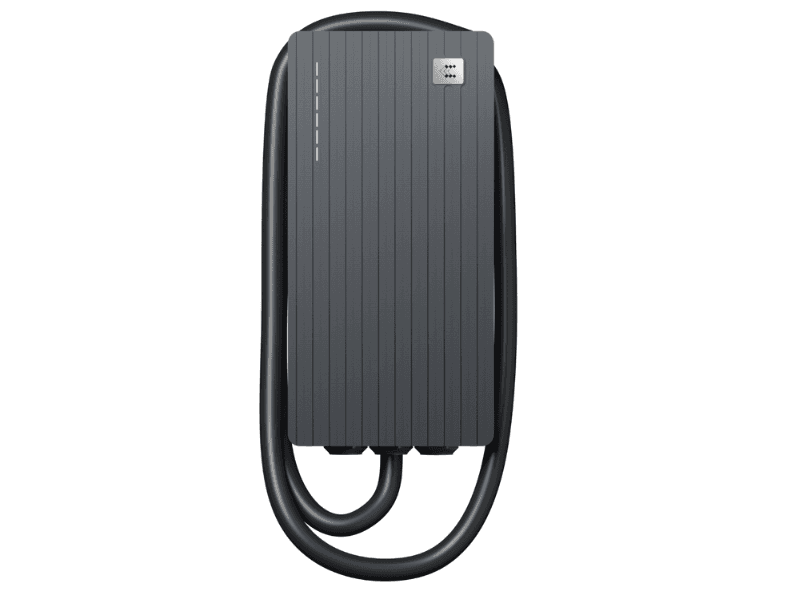
Guide
Home EV charging station: how to choose
Your own charging station is the most convenient and cheapest way to charge an electric car: in the morning it is always waiting fully charged.
Inside the guide
- AC charging at home: why public chargers are not enough
- 11 kW or 22 kW: the car's on-board charger and a three-phase supply
- Type 2 socket or integrated cable
- Dynamic load balancing and smart meters
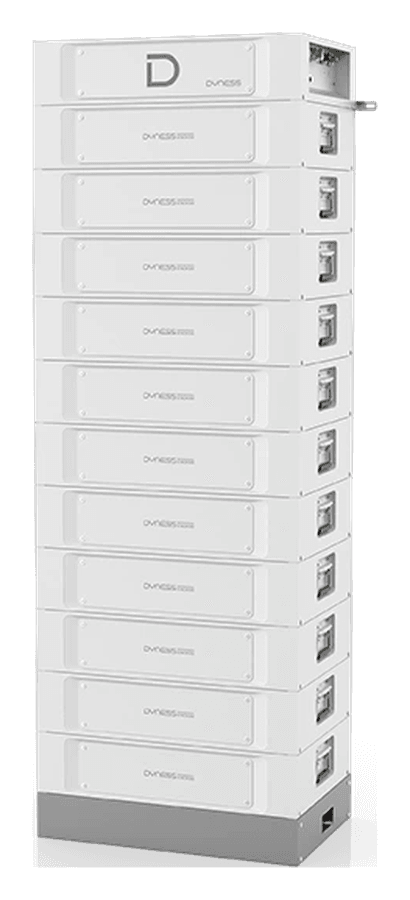
Guide
Home energy storage: how to choose the capacity and the system
An energy storage system lets you use solar electricity stored during the day, or cheaper night-tariff energy, exactly when you need it most.
Inside the guide
- Why you need an energy storage system
- How to choose the capacity
- LiFePO4 technology, cycle life and the 10-year warranty
- High-voltage (HV) and low-voltage (LV) systems, modular expansion
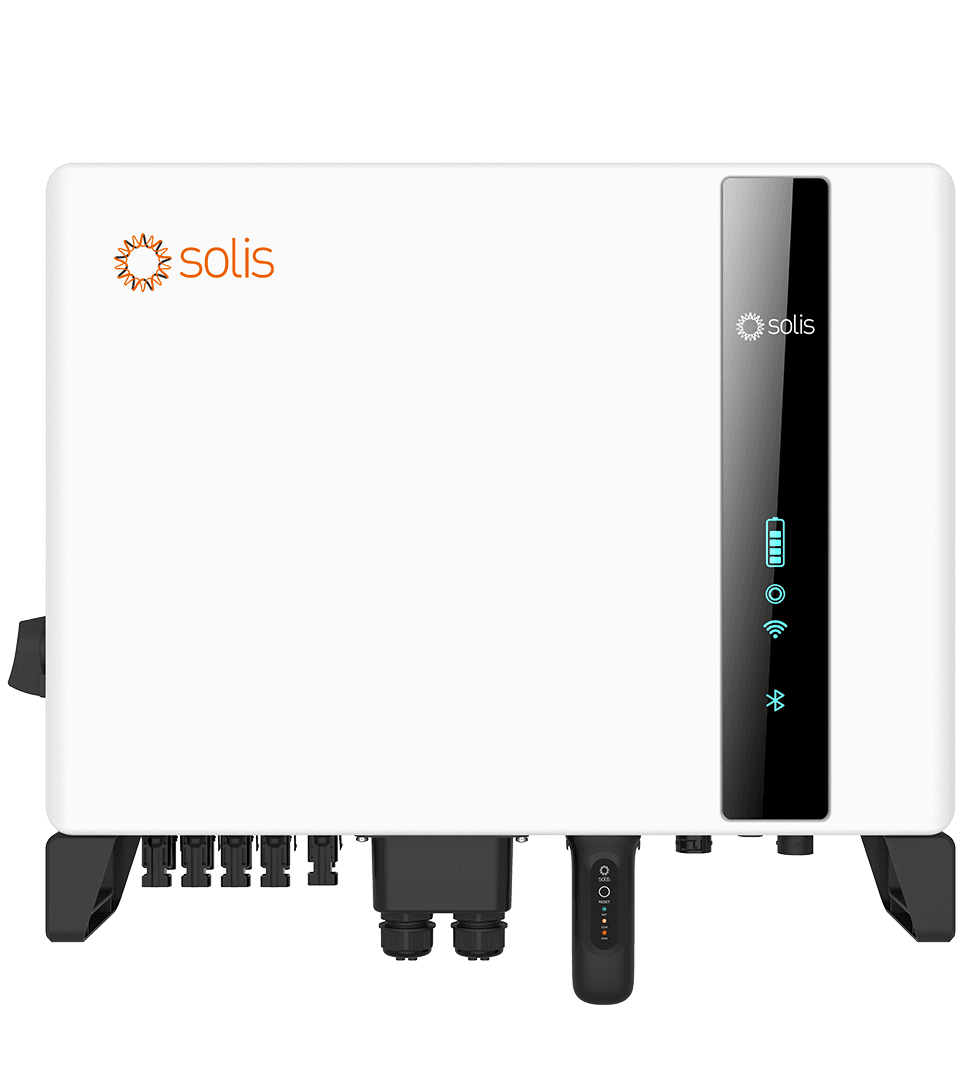
Guide
Solar inverter: hybrid or grid-tied, and what power rating
The inverter is the heart of a solar power plant: it decides how much of your modules' energy reaches your home and whether you can store it.
Inside the guide
- What an inverter and MPPT are
- Grid-tied, hybrid or battery inverter
- Single-phase or three-phase
- Choosing the power rating to match your modules